Neck, back & joint pain
Lifting strains, stiff necks, low backs that seize up, and shoulders, hips and knees that have stopped moving properly.
Musculoskeletal pain, sports and accident injuries, and nervous-system focused care for families. If you're not sure we're the right fit, call and describe it. We'll tell you honestly, and refer you out when that's the better answer.
A joint that isn't moving the way it should irritates everything around it: muscle, disc, nerve. An adjustment restores that motion so the area can settle.
We use Diversified manual adjusting and low-force Activator technique, and we match the approach to the person in front of us. If you're nervous about being adjusted, say so. There's a gentler version of nearly everything, and nothing happens without you knowing what's coming.
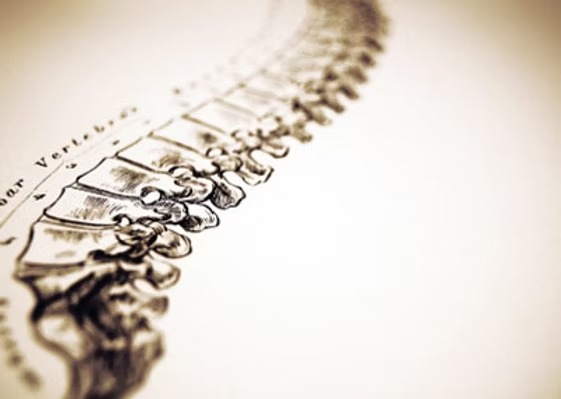
Lifting strains, stiff necks, low backs that seize up, and shoulders, hips and knees that have stopped moving properly.
We treat the injury, then build the strength and mobility work that keeps it from coming back: soft-tissue therapy, taping, and a program you can actually do.
Auto accident and on-the-job injury care, including whiplash and soft-tissue damage. Dr. Tran has sixteen years of PI experience, and we keep the imaging and documentation your claim depends on.
Talk to us about a claim →Forward head, rounded shoulders, and the slow drift that comes with years at a desk. We measure it, show you the images, and work on it.
Tension headaches that start at the base of the skull often ease once the upper neck moves properly again.
Burning down the leg, numbness, pins and needles. We look for what's putting pressure on the nerve.
Gentle, drug-free, neurologically focused care for infants through teens, with PX Docs certified doctors and INSiGHT scan evaluations.
See our pediatric care →Most plans combine two or three of these, adjusted as you improve.
Hands-on adjusting, the classic chiropractic technique.
Low-force and instrument-assisted. Good for sensitive patients.
Decompression for discs and compressed segments.
Instrument-assisted soft-tissue work on scar tissue and adhesions.
Hands-on release of tight fascia and trigger points.
Support between visits, especially for athletes.
A custom program so the correction holds.
Practical advice, not a supplement sales pitch.
Imaging on site, so there's no separate trip.
Heart-rate variability, thermography and surface EMG, to see how the nervous system is coping.
After your exam we tell you what we think it'll take: how many visits, how often, and what it costs. You can say yes to all of it, some of it, or none of it.
We don't keep people coming back once they're better. If you stop improving, we change the plan or refer you on.
Tell Claude which plans you accept, your cash rates, and how you handle personal injury liens, and this section gets specific.
Your first visit runs about an hour. Follow-ups are usually 15–20 minutes.
Acute problems often start at two visits a week and taper as things settle down.
One visit tells us more than a dozen phone calls.